Inspections · 06 / 10
Electrical Inspections
Practical checks for older homes, remodels, rentals, equipment changes, and visible safety concerns.
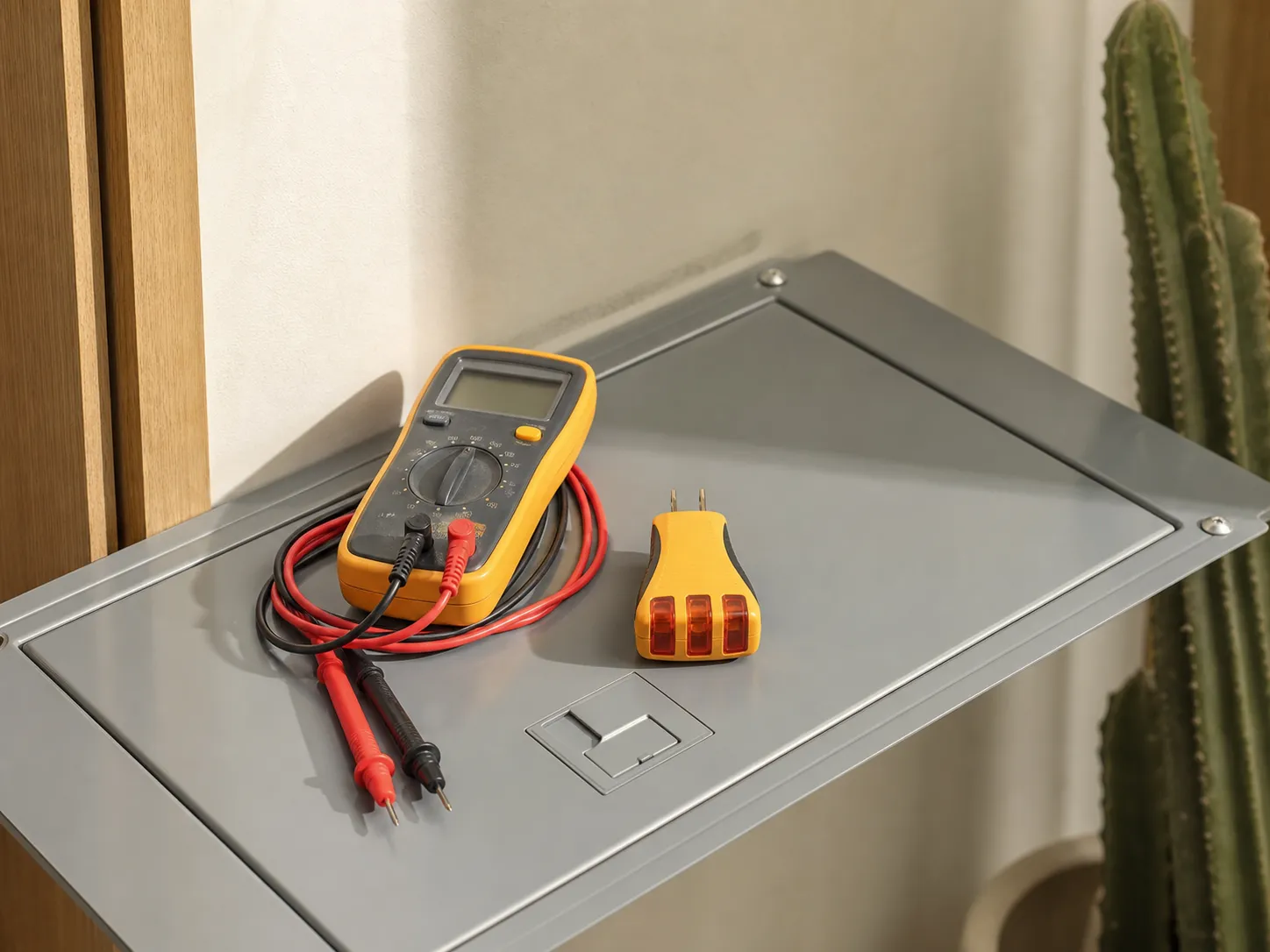
A clear picture before the estimate.
An inspection should give you a useful picture of what is working, what needs attention, and what should be addressed before a larger project moves forward.
Typical scope
What the job includes.
- 01Panel and breaker condition
Enclosure, breakers, conductor terminations, and available capacity reviewed with the dead front removed.
- 02Grounding and bonding observations
Grounding electrode, water and gas bonding, and neutral-ground separation at subpanels checked where visible.
- 03GFCI and AFCI protection checks
Protection tested where it exists and noted where current practice would call for it in kitchens, baths, garages, and exteriors.
- 04Visible wiring and device review
Accessible wiring, junction boxes, devices, and fixtures sampled for damage, heat, or unsafe past work.
- 05Remodel and sale-prep walkthroughs
A focused review before you buy, sell, list a rental, or commit to a remodel scope and budget.
- 06Written next-step recommendations
Findings separated into fix now, plan for soon, and leave alone, with photos and pricing for each item.
When to call
Good moments to get a clear read.
You are buying, selling, or turning over a rental property.
The house is older and you have never seen inside the panel.
Something keeps tripping and no one has explained why.
A remodel or major appliance purchase is about to be committed to.
How the work runs
Four steps, every time.
The scope changes from job to job. The sequence does not, so you always know what happens next and what it depends on.
- Start at the service
The panel, service equipment, and grounding are reviewed first, because most answers begin there.
- Sample the branch circuits
Accessible devices, fixtures, and junctions are checked and tested room by room.
- Photograph the findings
Anything noted gets a photo, so the report shows you the condition instead of describing it.
- Sort by urgency
You get a written list split into safety items, planned improvements, and things that are simply fine.
Inspections answers
Questions about electrical inspections.
What does a practical electrical inspection cover?
The review can cover panel and breaker condition, grounding and bonding observations, GFCI and AFCI protection, visible wiring, devices, and conditions related to a remodel or equipment change.
When is an electrical inspection useful?
An inspection is useful for an older property, recurring electrical concerns, rental turnover, sale preparation, a planned remodel, or before adding equipment that may affect capacity.
Will I receive next-step recommendations?
Yes. The goal is to separate immediate safety or reliability concerns from planned improvements and explain the practical next steps.
How long does an inspection take?
Most properties take one to two hours, depending on size, panel count, and how much of the wiring is accessible.
Is the inspection fee applied to the repair work?
Ask when scheduling. Where an inspection leads directly into a repair or upgrade scope, the review is credited toward that work in most cases.
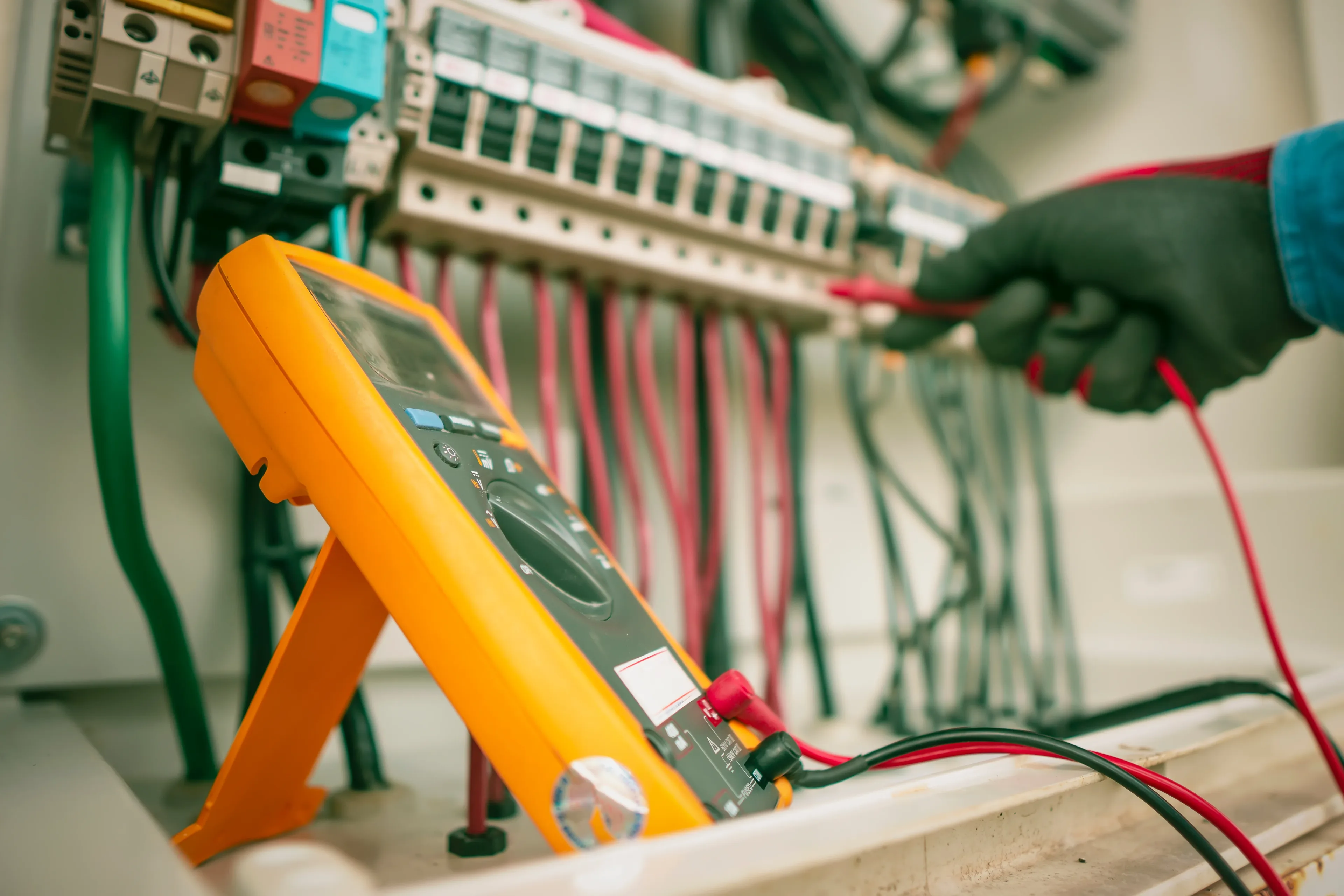
The V12 approach
A clear inspection turns hidden electrical questions into a manageable plan.Plan Your Project
Tell us what is going on.
Call or text about a repair, an upgrade, a lighting project, or something you are planning.